Furnace Repair or Replacement? A Practical Decision Guide
Should you repair or replace your furnace? A practical guide for Brighton homeowners covering age, failed parts, safety, costs and Colorado's 2026 rules.
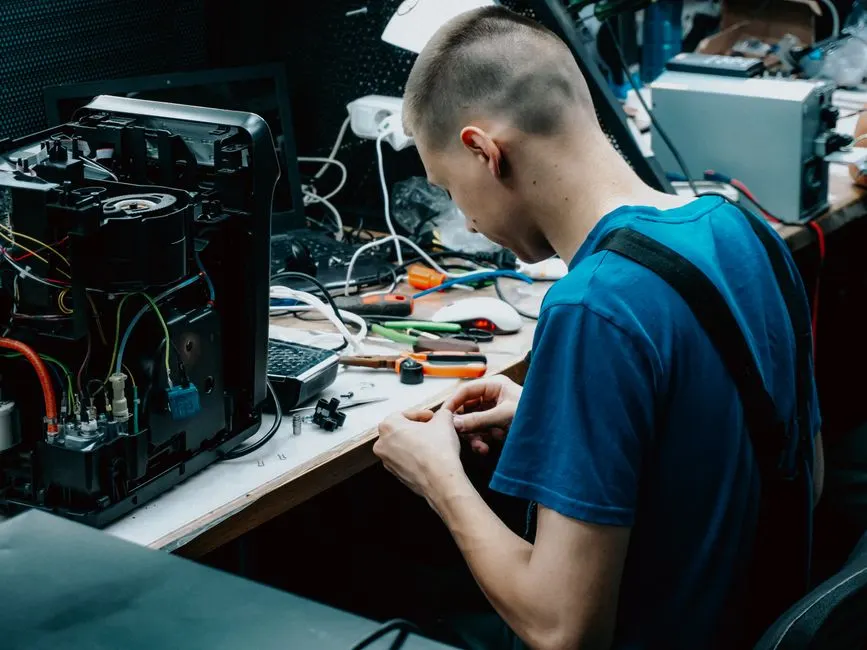
Repair your furnace if it is under about 15 years old, the failed part is a common one, and it has been reliable until now. Replace it if it is near or past 15 to 20 years, the repair is a major one, it keeps breaking down, or a safety problem like a cracked heat exchanger has been found.
Most Brighton furnace decisions fall clearly on one side of that line. This guide walks through the factors that decide the close calls: age, the specific part that failed, repair history, safety, comfort and cost, plus a few rules of thumb that help you compare the numbers.
How old is too old for a furnace?
A gas furnace in Brighton typically lasts 15 to 20 years with regular maintenance, and age is the single biggest factor in the repair-or-replace decision. A 7-year-old furnace with a failed igniter is a clear repair. A 19-year-old furnace with a failed inducer motor is a much harder case.
Furnace repair or replacement is a cost-and-risk decision that weighs the price of fixing an existing furnace against the value of the years it has left. Age matters because it tells you how many of those years remain.
Age is not the whole picture, though. A furnace that was installed without proper high-altitude setup, ran with clogged filters or never had a tune-up can wear out years earlier than one that was cared for. We see this often in older homes along the US-85 corridor during calls for Furnace Repair in Henderson, where furnaces that missed regular service reach the decision point sooner.
Which furnace repairs are usually worth it?
Many furnace repairs in Brighton involve inexpensive, common parts, and these are almost always worth doing on a furnace that is not near the end of its life. The usual list:
- Flame sensor cleaning or replacement, a common cause of short cycling.
- Hot surface igniter replacement when the furnace won't light.
- Pressure switch replacement, including high-altitude versions.
- Blower capacitor replacement when the blower hums but won't start.
- Limit switch or thermostat wiring repairs.
- Condensate trap and drain cleaning on high-efficiency furnaces.
These repairs often get a furnace heating again in a single visit. When your furnace stops working, our No-Heat Furnace Repair in Brighton starts by testing which part actually failed, so you know whether you are looking at one of these smaller fixes or something bigger.
When does replacement make more sense than repair?
Replacing a furnace in Brighton makes more sense than repair when the failed part is expensive, the furnace is old, or the problem is a safety issue that cannot be fixed. These are the most common turning points:
- A cracked heat exchanger. On most residential furnaces this cannot be repaired safely, and it can let combustion gases mix with your home's air.
- A major part failure on an older furnace. A control board, inducer motor, blower motor or gas valve on a furnace past 15 years old often costs a large share of a new system.
- Repeated breakdowns. If you have called for repairs two or three winters in a row, the next failure is usually not far away.
- Parts that are hard to find. Older or discontinued models can need brand-specific parts that take time to source.
- Comfort problems that never go away. Uneven rooms and constant cycling from an oversized furnace are not fixed by repairs.
If one of these applies, an estimate for Furnace Replacement & Estimates in Brighton lets you see the replacement cost next to the repair cost, so the decision is based on numbers rather than a hunch.
Simple rules of thumb for comparing costs
Two rules of thumb help Brighton homeowners compare a furnace repair against replacement. Neither is perfect, but both give you a quick sense of which way to lean.
The 50 percent rule
If a repair costs more than about half the price of a new furnace, and the furnace is past the middle of its expected life, replacement usually makes more financial sense.
The age-times-cost rule
Multiply the furnace's age by the repair cost. If the result is more than about $5,000, many technicians recommend replacement. A $300 repair on a 10-year-old furnace gives $3,000, which points to repair. A $600 repair on a 17-year-old furnace gives $10,200, which points toward replacement.
Use these as a starting point, not a final answer. Safety issues override them, and so does a furnace that has been unusually reliable or unusually troublesome.
How Colorado's 2026 rules affect the decision
Colorado's 2026 ultra-low NOx rule affects the repair-or-replace decision in Brighton only on the replacement side. Your existing furnace can be repaired as usual, but any new gas furnace must meet the new emissions limit, which narrows the models available and can affect cost and venting.
The federal 25C tax credit also ended for furnaces installed after December 31, 2025. Together, these changes make a well-timed repair more attractive for a furnace with useful life left, and they make planning ahead more important for a furnace near the end. Our article on Colorado's 2026 furnace rules covers the details.
Safety comes before cost
Safety problems in a Brighton furnace take the repair-or-replace decision out of the cost column. A furnace that leaks carbon monoxide, has a cracked heat exchanger, or shows signs of venting failure should not keep running while you weigh the numbers.
Warning signs worth taking seriously include a carbon monoxide alarm, soot around the furnace or vent, yellow or lifting flames, a strong burning smell that does not fade after the first few minutes of the season, or physical cracks and rust holes visible inside the cabinet. If a CO alarm sounds, leave the house and call 911 before anything else.
Common mistakes in the repair-or-replace decision
Brighton homeowners tend to make the same few mistakes when deciding between repair and replacement:
- Replacing too early because a single part failed on a furnace that still has years left.
- Repairing too long on an old furnace, spending more across several winters than a replacement would have cost.
- Deciding during an emergency in January, when choices are limited and stress is high.
- Comparing a repair price to a vague replacement quote that leaves out venting, permits or altitude setup.
- Skipping maintenance, which shortens a furnace's life and pushes the decision earlier than it needed to be.
How to plan ahead
Planning ahead is the best way to make the furnace repair-or-replace decision on your terms in Brighton. If your furnace is 12 years old or more, start paying attention now rather than waiting for a failure.
A yearly Furnace Tune-Up & Safety Inspection in Brighton gives you a running record of your furnace's condition: flame sensor readings, capacitor values, combustion results and heat exchanger condition. That record makes the decision much clearer when the time comes, and it often extends the time before you need to make it.
When to call a professional
You should call a furnace professional in Brighton when your furnace stops heating, when a repair quote seems large for the furnace's age, or when you want a second look before committing to a replacement. A diagnosis tells you exactly what failed, which is the starting point for any good decision.
Furnace Repair Pros gives you the repair price and, when it makes sense, a replacement option side by side, so you can choose with clear numbers in front of you.
Frequently Asked Questions
These are the questions Brighton homeowners ask us most when deciding whether to repair or replace a furnace. The full answers appear in the FAQ section on this page.
Get help with Furnace Repair in Brighton
If you are deciding between repairing and replacing your furnace, we can diagnose it and give you clear prices for both options.