Why Does My Furnace Turn On and Off? Short Cycling Explained
Furnace turning on and off every few minutes? Learn the common causes of short cycling, how to read the pattern and what Brighton homeowners can check first.
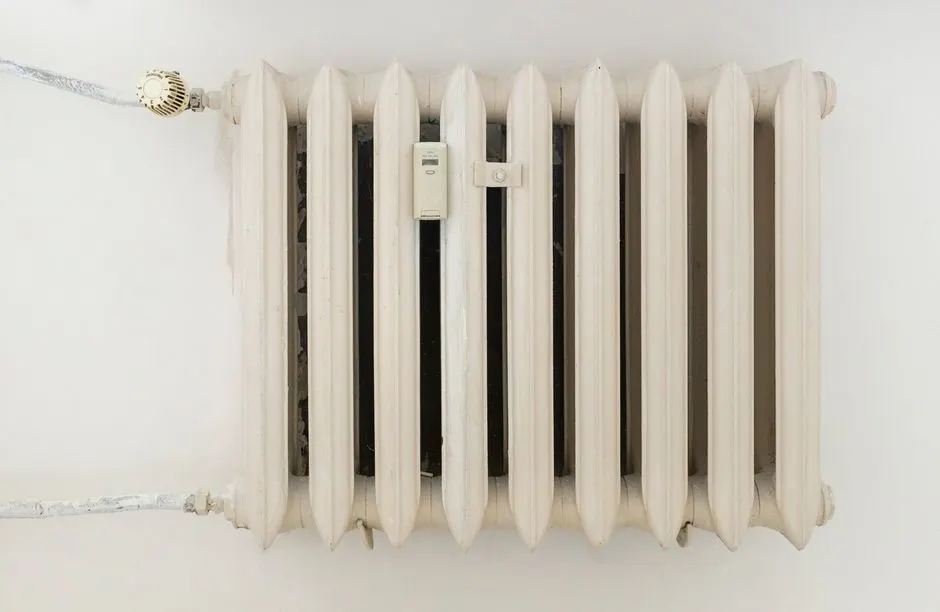
A furnace that turns on and off every few minutes is short cycling, and the most common causes are a clogged air filter, a dirty flame sensor, an overheating limit switch, a pressure switch problem or a furnace that is too big for the home. Each cause leaves a slightly different pattern, so watching how your furnace shuts off tells you a lot about which one you have.
Short cycling is one of the most frequent winter furnace complaints in Brighton. This guide explains what normal cycling looks like, how to read the pattern your furnace is showing, what you can safely check yourself and when it is time to call for repair.
What is furnace short cycling?
Furnace short cycling in Brighton homes means the furnace starts, runs for a short time and shuts off before the house reaches the thermostat setting, then repeats. Furnace short cycling is a heating fault that wastes fuel, wears out parts faster and often ends in a lockout, where the furnace stops trying to start for an hour or more.
It helps to know what normal looks like. In cold weather, a properly sized furnace usually runs heating cycles of roughly 10 to 15 minutes, and three to six cycles per hour is common depending on how cold it is outside. A furnace that shuts off after two to five minutes, or one that cycles many more times than that, is worth a closer look.
How do you tell why your furnace is short cycling?
The fastest way to narrow down short cycling in a Brighton furnace is to watch exactly when it shuts off. Stand near the furnace with the front panel's sight window or burner area visible, and note what happens during one full attempt.
- Burners light, then go out within a few seconds: the flame sensor usually cannot prove the flame, often because it is dirty or worn.
- Burners run a few minutes, shut off, and the blower keeps running: the high limit switch is likely tripping because the furnace is overheating, usually from restricted airflow.
- Inducer motor runs, nothing lights, and it repeats: the pressure switch may not be closing because of a blocked vent, a clogged condensate drain or a switch not rated for the elevation.
- Full, normal-looking cycles that are just very short and frequent: the furnace may be oversized or the thermostat may be badly placed.
Most furnaces also blink a fault code on the control board during these failures. Counting the blinks and checking the chart inside the furnace door gives you another clue to share when you call.
The most common causes of short cycling
Short cycling in Brighton furnaces almost always comes down to one of six causes. Several are simple to fix; a few need a technician.
A clogged air filter
A dirty filter restricts airflow, heat builds up inside the furnace and the high limit switch shuts the burners off to protect the heat exchanger. Once it cools, the furnace restarts and the cycle repeats. Construction dust and dry winter air in growing parts of Brighton load filters faster than many people expect.
A dirty or worn flame sensor
The flame sensor is a thin metal rod that confirms the burners are lit. When it is coated with residue, it cannot prove the flame, and the control board shuts off the gas within seconds as a safety measure. This is one of the most common short-cycling repairs we make, and it is usually quick once identified.
A failing blower
If the blower motor or its capacitor is weak, the furnace cannot move heat away fast enough, and it overheats just like it would with a dirty filter. Weak airflow at the registers is the giveaway. Our Furnace Blower Motor Repair in Brighton tests the capacitor and motor to find which part is failing.
Pressure switch and venting problems
On high-efficiency furnaces, the pressure switch must close before the burners light. A snow-blocked PVC vent, a clogged condensate drain or a switch not rated for an elevation near 5,000 feet can keep it from closing reliably. We see this pattern often in newer neighborhoods like Belle Creek during calls for Furnace Repair in Henderson, where condensing furnaces and long vent runs are common.
An oversized furnace
A furnace that is too large for the home heats the air so quickly that the thermostat is satisfied in a few minutes, then the house cools and it starts again. This kind of short cycling usually shows up as uneven temperatures between rooms. Repairs cannot fix sizing; it is addressed at replacement with a proper heat load calculation.
Thermostat placement or wiring
A thermostat mounted near a supply register, in direct sun or next to a drafty door can read the wrong temperature and switch the furnace off too soon. Loose wiring or weak batteries can cause random shutoffs too.
What can you check yourself before calling?
A few safe checks can solve or narrow down short cycling in a Brighton home before you call anyone:
- Replace the air filter if it looks gray or hasn't been changed in one to three months.
- Open closed supply registers and make sure furniture isn't blocking returns. Closing many vents raises pressure in the ducts and can cause overheating.
- Check the thermostat: replace batteries, confirm it is set to heat and note whether it is near a heat source or draft.
- Look at the PVC pipes outside on high-efficiency furnaces and gently clear any snow or ice from the openings.
- Note the blink code on the control board before resetting power, so the technician has that information.
Do not repeatedly reset the furnace, sand the flame sensor without turning off power, or adjust a pressure switch. Those steps can hide the real problem or create a new one.
Common mistakes with a short-cycling furnace
Brighton homeowners often make a few predictable mistakes when a furnace starts short cycling:
- Ignoring it because the house is still warm. Short cycling usually gets worse and ends in a lockout during the coldest week.
- Resetting the power over and over. Each reset clears the fault code that would help diagnose the problem.
- Replacing parts by guesswork. A new igniter will not fix an overheating limit switch caused by a clogged filter.
- Closing vents in unused rooms. This restricts airflow and can trigger the very overheating that causes short cycling.
When to call a professional
You should call for help if your Brighton furnace keeps short cycling after you replace the filter and check the thermostat, if it is showing a fault code, if the burners shut off within seconds of lighting, or if airflow at the registers feels weak. A technician can test the flame sensor in microamps, check the pressure switch with a manometer and measure temperature rise to find the real cause.
Our No-Heat Furnace Repair in Brighton covers short cycling as part of the startup-sequence diagnosis, and Furnace Repair Pros fixes the part that actually failed rather than guessing. If short cycling keeps coming back every winter, a yearly Furnace Tune-Up & Safety Inspection in Brighton cleans the flame sensor, checks airflow and tests the pressure switch before the cold sets in.
Frequently Asked Questions
These are the short-cycling questions Brighton homeowners ask us most. The full answers appear in the FAQ section on this page.
Get help with Furnace Repair in Brighton
If your furnace keeps turning on and off, call us and describe what you see. We will find the cause and give you the price before any work starts.